
Home Remodeling in Door County, WI
Local Roofing & Siding Expertise
Roofing contractor and siding contractor services in Door County, WI face unique challenges. Cold winters mean ice dams form on vulnerable roofs. Heavy snow loads demand structural confidence. Lake Michigan's salty air corrodes fasteners. This page covers what homeowners across Sturgeon Bay, Fish Creek, Sister Bay, and beyond need to know.
We walk through how roofs and siding fail here, what building codes require, and how to protect your home year-round.
Door County Roofing: Cold Climate, High Stakes
Why roofs fail faster in this region—and what contractors must do to prevent it.
Door County's maritime climate is tough on roofs. Winter temperatures plunge below zero. Snow sits for months. Wind off the lake pushes moisture into cracks. Heat escaping from your attic melts snow at the roof edge, then it refreezes as ice at the overhang—creating dams that force water underneath shingles.
Roofing codes in Wisconsin require ice dam protection on slopes 4:12 or less that sit above heated spaces. The material must extend 30 inches from the edge and 12 inches past the exterior wall. Ventilation matters too—a balanced ridge-and-soffit system prevents heat buildup and keeps the roof deck cold.
Fasteners must be corrosion-resistant. Near Sturgeon Bay, Sister Bay, and Fish Creek, salt spray from the bay corrodes ordinary steel. Proper flashing at chimneys, valleys, and roof edges stops water infiltration before it starts.
A roof built to Door County standards resists freeze-thaw cycles, sheds heavy snow loads, and handles ice dams—not just any roof will do.
Our Process: Five Clear Steps
From inspection to handoff, here's what to expect.
1Inspect & Assess
We climb your roof or siding, look for water stains, failed flashing, and damage from ice dams or wind. We check attic ventilation and structural supports.
2Design & Plan
We recommend ice dam protection, ventilation upgrades, and material choices that match Wisconsin building code. We discuss warranties and durability.
3Prep & Protect
We remove old materials properly, check deck condition, and install ice dam underlayment and proper ventilation before any new layer goes on.
4Install with Care
We fasten shingles, seal valleys, and install flashing per manufacturer specs. Every seam and corner gets tested to code. We use corrosion-resistant fasteners.
5Inspect & Verify
We walk your home with you, verify all code requirements are met, and confirm gutters and drainage. You'll get a written report of what we found and fixed.
6Ongoing Support
We're available for questions, inspections, or repairs down the road. We maintain relationships with homeowners across Door County.
You'll always know what's happening next—and when.
Roofing Services for Door County Homes
Tailored to the region's climate and code requirements.
Asphalt Shingle Replacement
Most homes near Sturgeon Bay and Ephraim use asphalt shingles. We remove old shingles down to the deck, inspect for rot or mold from moisture, and install ice dam underlayment at least 30 inches from the edge. We use fiberglass shingles rated for Wisconsin wind and snow loads. Proper ventilation—ridge vents paired with soffit vents—prevents ice dams before they start.
Every valley gets sealed. Flashing around chimneys extends 6 inches high and is counter-flashed to match code. We secure every shingle according to manufacturer specs, then test the roof for leaks and seal any gaps before you move in.
Metal Roof Installation
Steel standing seam panels shed snow faster than shingles—a benefit in heavy-snow zones like Fish Creek and northern Door County. Metal expands and contracts with temperature swings, so we use clips and end-lap details rated for Wisconsin's thermal ranges. Underlayment goes under the metal to catch any moisture.
Ice dams still form, so we install the same ice barrier underlayment we use on shingle roofs. Metal roofs last longer but require precision installation. We handle flashings, gutters, and fastening according to IBC standards.
Ice Dam Prevention & Repair
Ice dams are the #1 roof leak cause in Door County. They form when attic heat melts snow at the roof peak; meltwater runs to the cold eave and refreezes. Once ice builds up, water backs up under shingles and leaks into your home. Wisconsin code requires ice barrier on all slopes 4:12 or less over heated spaces.
We inspect your ventilation and recommend ridge-and-soffit vents if you don't have them. Continuous ridge ventilation keeps the deck cold. We also check for air leaks from your attic—holes around plumbing vents, wiring, or electrical boxes that let heat escape. Sealing these plus balanced ventilation plus ice barrier underlayment is the holy trinity of ice dam prevention.
Flashing, Gutters & Drainage
Flashing stops water at roof-wall intersections, chimneys, valleys, and openings. Wisconsin code requires corrosion-resistant metal (not just galvanized, but aluminum or stainless for lake areas). We seal all seams and test them in rain. Gutters must be tight to the fascia and slope 1/8 inch per 10 feet toward downspouts.
In winter, we clear gutters of ice so meltwater drains properly. Poor drainage causes water to pond on the roof, adding weight and stress to the structure.
Siding Services for Door County Homes
Vinyl, fiber cement, and wood siding face salt spray and freeze-thaw cycles.
Vinyl Siding Replacement
Vinyl is common in Sister Bay and Fish Creek. It's affordable and low-maintenance, but UV, salt, and freeze-thaw can make it brittle. We inspect for cracks, loose panels, and water damage behind the siding. If sections are damaged, we remove them carefully and install new panels that match the existing color and profile.
Wisconsin code requires exterior walls to have a permanent weather-resistant finish. We check that no water is pooling behind the siding and that all flashing—windows, doors, and roof edges—is sealed properly.
Fiber Cement & Composite Siding
Fiber cement holds up to freeze-thaw better than vinyl. It looks like wood but doesn't rot. Composite blends cement and wood fiber for durability and warmth. Both are heavier than vinyl and require professional installation. We use corrosion-resistant fasteners and seal all joints with paintable caulk rated for Wisconsin winters.
These materials are popular in historic neighborhoods near Sturgeon Bay where aesthetics matter. They age gracefully and repaint well when needed.
Wood Siding & Cedar Shakes
Some older Door County homes have wood or cedar siding. We inspect for rot, insect damage, and failed paint. If individual boards are damaged, we replace them with pressure-treated or cedar stock. If the siding is failing across the whole wall, we recommend replacing with a more durable material—moisture from our climate wreaks havoc on wood.
If you love wood, we maintain it with proper caulking, flashing, and paint that breathes. Solid maintenance every 5–7 years keeps wood siding alive.
Window & Door Flashing
Windows and doors are leak hot-spots. Wisconsin code requires flashing that extends under the window sill and up behind the trim. We pull old siding, check for water damage in the wall cavity, and install new windows with proper head, sill, and side flashing that's sealed with paintable caulk. Salty spray near the water requires non-ferrous fasteners.
Every window is flashed as if it will experience a hurricane of moisture. Because in Door County winter, it will.
Why Door County Roofing & Siding Is Different
Your home faces conditions most contractors don't encounter.
Heavy Snow & Ice Dams
Door County can get 80+ inches of snow per winter. The county's humid continental climate means freeze-thaw cycles happen hundreds of times each year. Contractors from milder regions skip ice dam barriers. We don't. We know they're mandatory here and critical to preventing leaks.
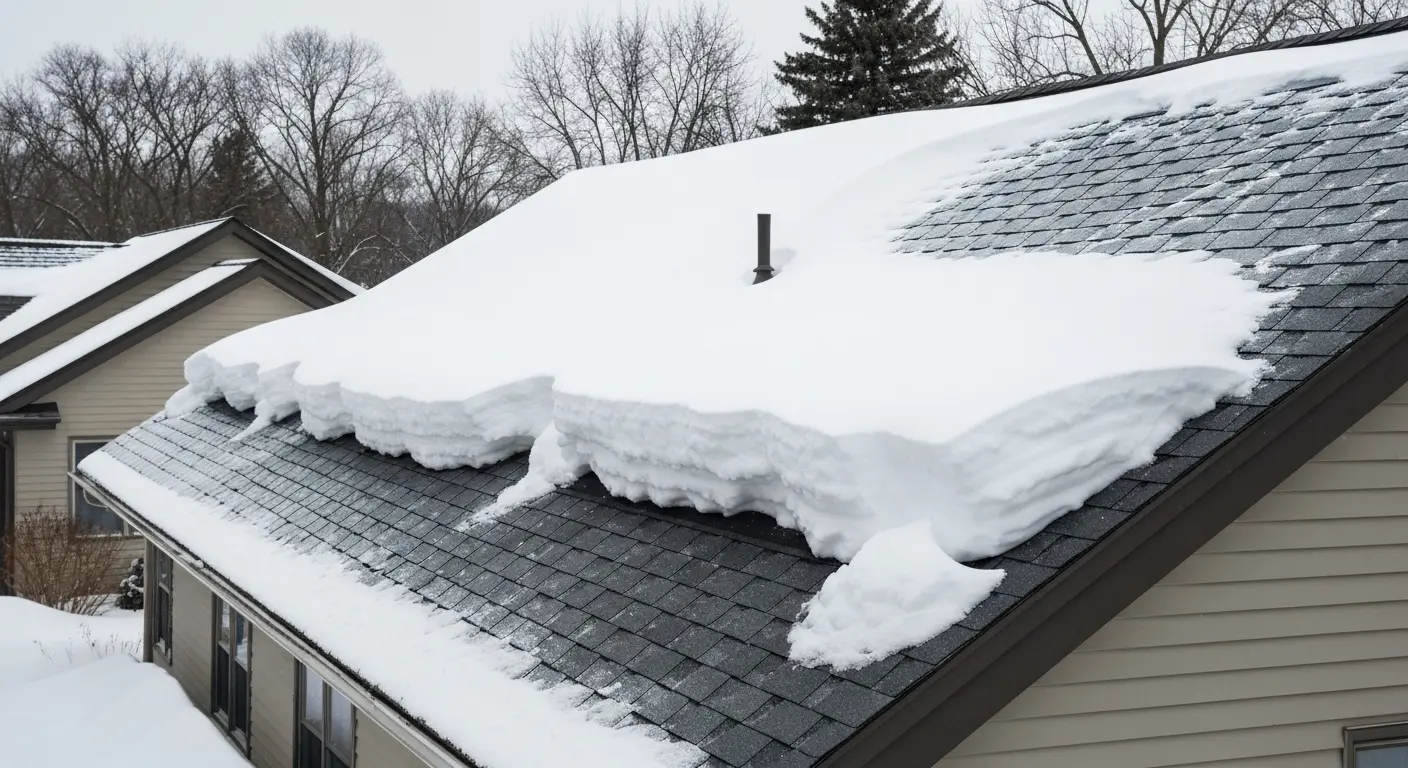
Winter snow load near Sturgeon Bay—roof must support heavy weight without sagging.
Salt Spray Corrosion
Lake Michigan salt air accelerates corrosion. We use only stainless steel or aluminum fasteners, never galvanized-only. Flashing is spec'd for marine environments. Window and door trim uses non-ferrous metals. This costs more but prevents rust stains and structural failure.
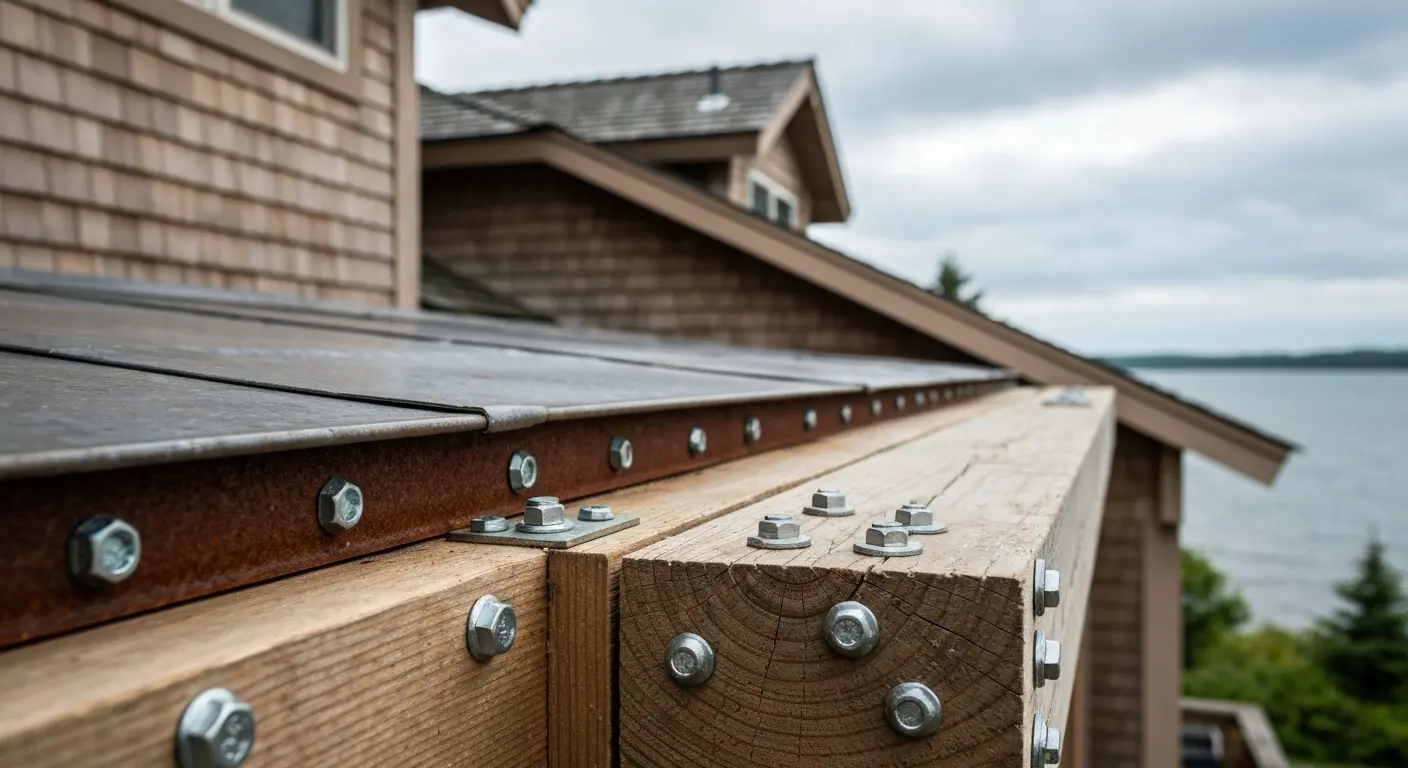
Homes near Fish Creek and Ephraim endure salt spray year-round—fasteners must resist corrosion.
High Wind Loads & Lake Effect
Wind off the bay pushes water into cracks and gaps. Storms can gust to 50+ mph. We fastening shingles and siding per IBC wind load tables for the Door County area. Every edge, soffit, and gutter is anchored to resist uplift and lateral pressure.
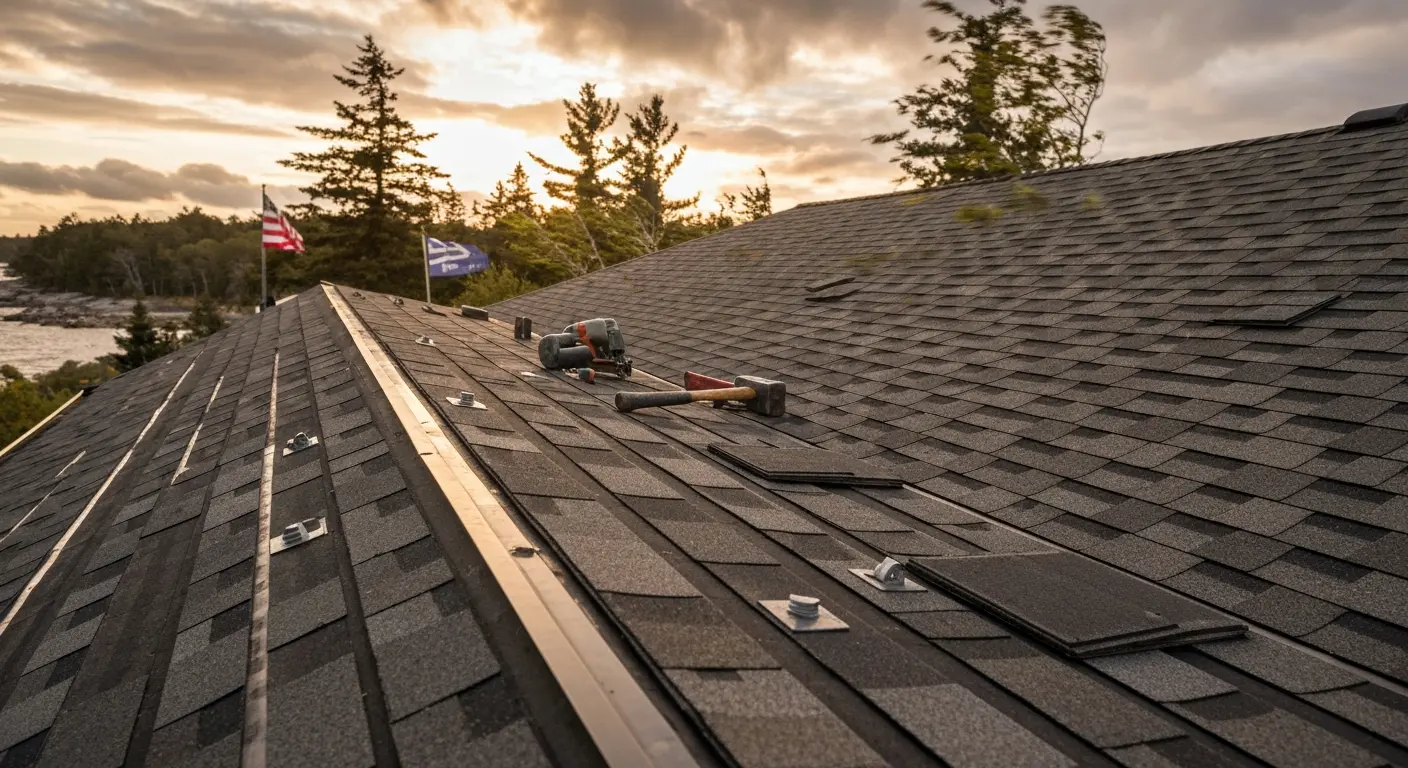
Wind on the Door Peninsula can strip loose shingles; proper fastening is non-negotiable.
Roofing & Siding FAQ
What's causing ice dams on my roof?
Heat escaping through an uninsulated or poorly ventilated attic melts snow at the roof peak. Meltwater runs down and refreezes at the cold eave overhang where there's no heat. Ice builds up, blocks drainage, and forces water back up under shingles—leaking into your home. Proper attic insulation, balanced ventilation, and ice barrier underlayment prevent this.
How often do roofs need replacing in Door County?
Asphalt shingles last 15–20 years in our climate. Heavy snow and ice cycles, salt spray, and freeze-thaw stress shorten lifespan compared to milder regions. Metal and fiber cement roofs last 25–30+ years. Regular inspections every 2–3 years catch problems early and extend roof life.
Can I add new shingles over old ones?
Wisconsin code prohibits layering if the existing roof is severely damaged by water, rot, or deterioration. We always inspect the deck first. If it's sound, a single layer of new shingles may be allowed—but we recommend full tear-off for Door County homes so we can install proper ice dam underlayment and check for hidden moisture damage.
What fasteners are safe in Door County's climate?
Ordinary galvanized fasteners rust quickly near the lake. We use stainless steel (best) or hot-dipped galvanized plus zinc or nickel plating. Fasteners must be corrosion-resistant per IBC and Wisconsin codes. Salt spray will find ordinary steel and destroy it within a few years.
Is ridge ventilation really necessary?
Yes. Wisconsin code requires balanced ventilation (ridge vents paired with soffit vents) on unvented attics. Continuous airflow keeps the roof deck cold, reducing ice dam formation and extending shingle life. Without ventilation, heat and moisture build up, causing rot and premature failure.
How should I maintain my siding in winter?
Clear ice and snow from the bottom of walls so meltwater drains freely. Check caulking around windows and doors—when it cracks, water seeps behind siding. In fall, clean gutters so ice doesn't back up onto the siding. Annual inspections catch problems before winter damage worsens them.
Local Roofing & Siding Expertise
Roofing contractor and siding contractor services in Door County, WI face unique challenges. Cold winters mean ice dams form on vulnerable roofs. Heavy snow loads demand structural confidence. Lake Michigan's salty air corrodes fasteners. This page covers what homeowners across Sturgeon Bay, Fish Creek, Sister Bay, and beyond need to know.
We walk through how roofs and siding fail here, what building codes require, and how to protect your home year-round.
Door County Roofing: Cold Climate, High Stakes
Why roofs fail faster in this region—and what contractors must do to prevent it.
Door County's maritime climate is tough on roofs. Winter temperatures plunge below zero. Snow sits for months. Wind off the lake pushes moisture into cracks. Heat escaping from your attic melts snow at the roof edge, then it refreezes as ice at the overhang—creating dams that force water underneath shingles.
Roofing codes in Wisconsin require ice dam protection on slopes 4:12 or less that sit above heated spaces. The material must extend 30 inches from the edge and 12 inches past the exterior wall. Ventilation matters too—a balanced ridge-and-soffit system prevents heat buildup and keeps the roof deck cold.
Fasteners must be corrosion-resistant. Near Sturgeon Bay, Sister Bay, and Fish Creek, salt spray from the bay corrodes ordinary steel. Proper flashing at chimneys, valleys, and roof edges stops water infiltration before it starts.
A roof built to Door County standards resists freeze-thaw cycles, sheds heavy snow loads, and handles ice dams—not just any roof will do.
Our Process: Five Clear Steps
From inspection to handoff, here's what to expect.
Inspect & Assess
We climb your roof or siding, look for water stains, failed flashing, and damage from ice dams or wind. We check attic ventilation and structural supports.
Design & Plan
We recommend ice dam protection, ventilation upgrades, and material choices that match Wisconsin building code. We discuss warranties and durability.
Prep & Protect
We remove old materials properly, check deck condition, and install ice dam underlayment and proper ventilation before any new layer goes on.
Install with Care
We fasten shingles, seal valleys, and install flashing per manufacturer specs. Every seam and corner gets tested to code. We use corrosion-resistant fasteners.
Inspect & Verify
We walk your home with you, verify all code requirements are met, and confirm gutters and drainage. You'll get a written report of what we found and fixed.
Ongoing Support
We're available for questions, inspections, or repairs down the road. We maintain relationships with homeowners across Door County.
You'll always know what's happening next—and when.
Roofing Services for Door County Homes
Tailored to the region's climate and code requirements.
Asphalt Shingle Replacement
Most homes near Sturgeon Bay and Ephraim use asphalt shingles. We remove old shingles down to the deck, inspect for rot or mold from moisture, and install ice dam underlayment at least 30 inches from the edge. We use fiberglass shingles rated for Wisconsin wind and snow loads. Proper ventilation—ridge vents paired with soffit vents—prevents ice dams before they start.
Every valley gets sealed. Flashing around chimneys extends 6 inches high and is counter-flashed to match code. We secure every shingle according to manufacturer specs, then test the roof for leaks and seal any gaps before you move in.
Metal Roof Installation
Steel standing seam panels shed snow faster than shingles—a benefit in heavy-snow zones like Fish Creek and northern Door County. Metal expands and contracts with temperature swings, so we use clips and end-lap details rated for Wisconsin's thermal ranges. Underlayment goes under the metal to catch any moisture.
Ice dams still form, so we install the same ice barrier underlayment we use on shingle roofs. Metal roofs last longer but require precision installation. We handle flashings, gutters, and fastening according to IBC standards.
Ice Dam Prevention & Repair
Ice dams are the #1 roof leak cause in Door County. They form when attic heat melts snow at the roof peak; meltwater runs to the cold eave and refreezes. Once ice builds up, water backs up under shingles and leaks into your home. Wisconsin code requires ice barrier on all slopes 4:12 or less over heated spaces.
We inspect your ventilation and recommend ridge-and-soffit vents if you don't have them. Continuous ridge ventilation keeps the deck cold. We also check for air leaks from your attic—holes around plumbing vents, wiring, or electrical boxes that let heat escape. Sealing these plus balanced ventilation plus ice barrier underlayment is the holy trinity of ice dam prevention.
Flashing, Gutters & Drainage
Flashing stops water at roof-wall intersections, chimneys, valleys, and openings. Wisconsin code requires corrosion-resistant metal (not just galvanized, but aluminum or stainless for lake areas). We seal all seams and test them in rain. Gutters must be tight to the fascia and slope 1/8 inch per 10 feet toward downspouts.
In winter, we clear gutters of ice so meltwater drains properly. Poor drainage causes water to pond on the roof, adding weight and stress to the structure.
Siding Services for Door County Homes
Vinyl, fiber cement, and wood siding face salt spray and freeze-thaw cycles.
Vinyl Siding Replacement
Vinyl is common in Sister Bay and Fish Creek. It's affordable and low-maintenance, but UV, salt, and freeze-thaw can make it brittle. We inspect for cracks, loose panels, and water damage behind the siding. If sections are damaged, we remove them carefully and install new panels that match the existing color and profile.
Wisconsin code requires exterior walls to have a permanent weather-resistant finish. We check that no water is pooling behind the siding and that all flashing—windows, doors, and roof edges—is sealed properly.
Fiber Cement & Composite Siding
Fiber cement holds up to freeze-thaw better than vinyl. It looks like wood but doesn't rot. Composite blends cement and wood fiber for durability and warmth. Both are heavier than vinyl and require professional installation. We use corrosion-resistant fasteners and seal all joints with paintable caulk rated for Wisconsin winters.
These materials are popular in historic neighborhoods near Sturgeon Bay where aesthetics matter. They age gracefully and repaint well when needed.
Wood Siding & Cedar Shakes
Some older Door County homes have wood or cedar siding. We inspect for rot, insect damage, and failed paint. If individual boards are damaged, we replace them with pressure-treated or cedar stock. If the siding is failing across the whole wall, we recommend replacing with a more durable material—moisture from our climate wreaks havoc on wood.
If you love wood, we maintain it with proper caulking, flashing, and paint that breathes. Solid maintenance every 5–7 years keeps wood siding alive.
Window & Door Flashing
Windows and doors are leak hot-spots. Wisconsin code requires flashing that extends under the window sill and up behind the trim. We pull old siding, check for water damage in the wall cavity, and install new windows with proper head, sill, and side flashing that's sealed with paintable caulk. Salty spray near the water requires non-ferrous fasteners.
Every window is flashed as if it will experience a hurricane of moisture. Because in Door County winter, it will.
Why Door County Roofing & Siding Is Different
Your home faces conditions most contractors don't encounter.
Heavy Snow & Ice Dams
Door County can get 80+ inches of snow per winter. The county's humid continental climate means freeze-thaw cycles happen hundreds of times each year. Contractors from milder regions skip ice dam barriers. We don't. We know they're mandatory here and critical to preventing leaks.
Winter snow load near Sturgeon Bay—roof must support heavy weight without sagging.
Salt Spray Corrosion
Lake Michigan salt air accelerates corrosion. We use only stainless steel or aluminum fasteners, never galvanized-only. Flashing is spec'd for marine environments. Window and door trim uses non-ferrous metals. This costs more but prevents rust stains and structural failure.
Homes near Fish Creek and Ephraim endure salt spray year-round—fasteners must resist corrosion.
High Wind Loads & Lake Effect
Wind off the bay pushes water into cracks and gaps. Storms can gust to 50+ mph. We fastening shingles and siding per IBC wind load tables for the Door County area. Every edge, soffit, and gutter is anchored to resist uplift and lateral pressure.
Wind on the Door Peninsula can strip loose shingles; proper fastening is non-negotiable.
Roofing & Siding FAQ
What's causing ice dams on my roof?
Heat escaping through an uninsulated or poorly ventilated attic melts snow at the roof peak. Meltwater runs down and refreezes at the cold eave overhang where there's no heat. Ice builds up, blocks drainage, and forces water back up under shingles—leaking into your home. Proper attic insulation, balanced ventilation, and ice barrier underlayment prevent this.
How often do roofs need replacing in Door County?
Asphalt shingles last 15–20 years in our climate. Heavy snow and ice cycles, salt spray, and freeze-thaw stress shorten lifespan compared to milder regions. Metal and fiber cement roofs last 25–30+ years. Regular inspections every 2–3 years catch problems early and extend roof life.
Can I add new shingles over old ones?
Wisconsin code prohibits layering if the existing roof is severely damaged by water, rot, or deterioration. We always inspect the deck first. If it's sound, a single layer of new shingles may be allowed—but we recommend full tear-off for Door County homes so we can install proper ice dam underlayment and check for hidden moisture damage.
What fasteners are safe in Door County's climate?
Ordinary galvanized fasteners rust quickly near the lake. We use stainless steel (best) or hot-dipped galvanized plus zinc or nickel plating. Fasteners must be corrosion-resistant per IBC and Wisconsin codes. Salt spray will find ordinary steel and destroy it within a few years.
Is ridge ventilation really necessary?
Yes. Wisconsin code requires balanced ventilation (ridge vents paired with soffit vents) on unvented attics. Continuous airflow keeps the roof deck cold, reducing ice dam formation and extending shingle life. Without ventilation, heat and moisture build up, causing rot and premature failure.
How should I maintain my siding in winter?
Clear ice and snow from the bottom of walls so meltwater drains freely. Check caulking around windows and doors—when it cracks, water seeps behind siding. In fall, clean gutters so ice doesn't back up onto the siding. Annual inspections catch problems before winter damage worsens them.
DISCOVER WHAT OUR CUSTOMERS HAVE TO SAY ABOUT US
REVIEWS
proudly serving these areas
Oshkosh, WI
Neenah, WI
Marshfield, WI
Appleton, WI
Kimberly, WI
Kaukauna, WI
Little Chute, WI
Wrightstown, WI
READY TO take the next step?
get a free quote TODAY!
QUICK LINKS
our services
service areas
operating HOURS
Mon: 9:00 am - 5:00 pm
Tue: 9:00 am - 5:00 pm
Wed: 9:00 am - 5:00 pm
Thu: 9:00 am - 5:00 pm
Fri: 9:00 am - 5:00 pm
Sat: Closed - Closed
Sun: Closed - Closed